
 Back To Blog

 Copy
Copy
 Share
Share


On July 18th, South Africans across the country marked Mandela Day – 67 minutes of giving, in honour of the 67 years Nelson Mandela dedicated to making the world a better place.
But in the heart of Khayelitsha, Cape Town, Mandela Day wasn’t just symbolic. It was survival. It was community. And it was song.

Over the past few weeks, Cape Town has endured relentless rains. Flooding swept through informal settlements like Khayelitsha, soaking homes, belongings, and hope. In a place where many live on the margins, the impact was immediate and devastating. Some of the worst affected were older people, grandparents who are often the anchors of their families, many of whom live below the poverty line.
To understand what that means: the poverty line in South Africa currently sits at around R796 per person per month. It’s the bare minimum amount needed to afford food and basic essentials. Living below that means impossible choices – between buying bread or buying paraffin, between transport to the clinic or school fees for a grandchild. And for too many, it means relying on the generosity of others to get by.
Ukwindla Organisation – a grassroots initiative based in Khayelitsha, run by people from the community, for the community. They saw the floods and their aftermath not as a statistic, but as something happening to their neighbours, elders, and family members. “We have all been affected by the floods,” said Mpumelelo Gwe, chairman of Ukwindla. “These are people who raised generations, and now they’re sitting in water-damaged homes with nothing. Quickly, as an organisation, we were reminded of our mission: that each one of us has a responsibility for and to our neighbours.”
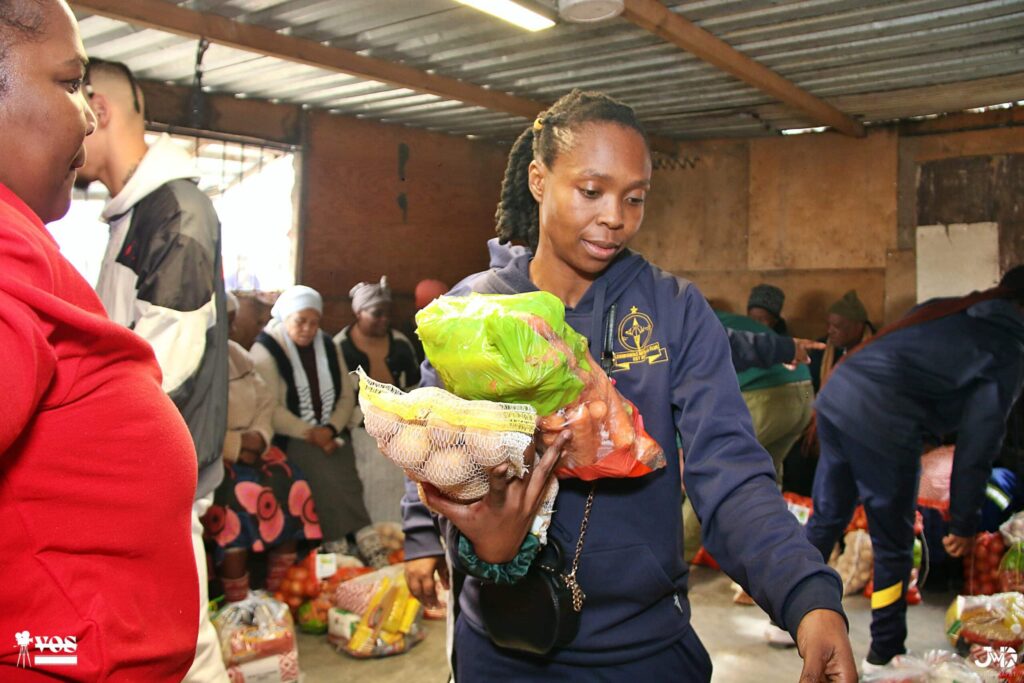
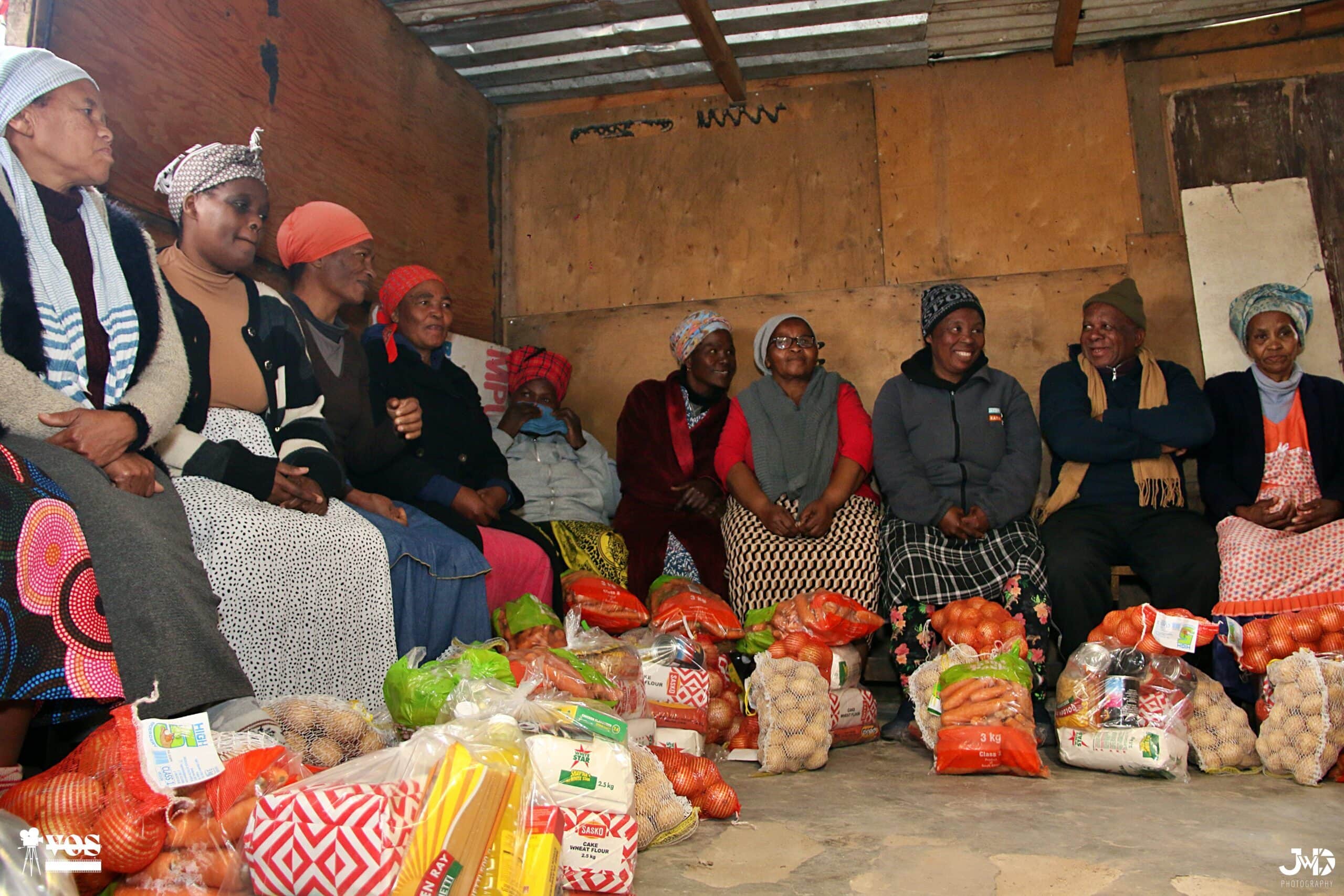
Mpumelelo and his team reached out to ikeja, a tech company known not just for its innovation, but for its commitment to community. The request? Food hampers. The response? A resounding yes. On Mandela Day, with a sunbreak overhead, the handover took place: a dozen of older people gathered as the Ukwindla team and ikeja staff arrived with groceries – each hamper packed with essentials like maize meal, rice, vegetables and more.

Mandlakazi Gqodo, an ikeja representative who was present for the handover, said something simple, but profound: “ikeja is a community-based business. We provide internet to townships like this one, so it made sense for us to be here on Mandela Day – because we’re part of this community, too.” It was a reminder that presence matters. Not just sending support, but showing up. Not just connecting people to Wi-Fi, but to dignity, to each other. And the moment softened into something spiritual, the singing began. A group of elderly women lifted their voices in a slow, moving chorus:
“Ngena Nowa, nesizukulwana sakho, imvula iyeza.”
Come Noah, bring your generation, the rain is coming.
The lyrics, sung in isiXhosa, hold deep biblical and cultural meaning. They speak of survival and preparation, of being ready for the storms of life – both literal and figurative. And when sung by Black elders, the song becomes more than melody.
It’s a message. A memory. A kind of inherited prayer.
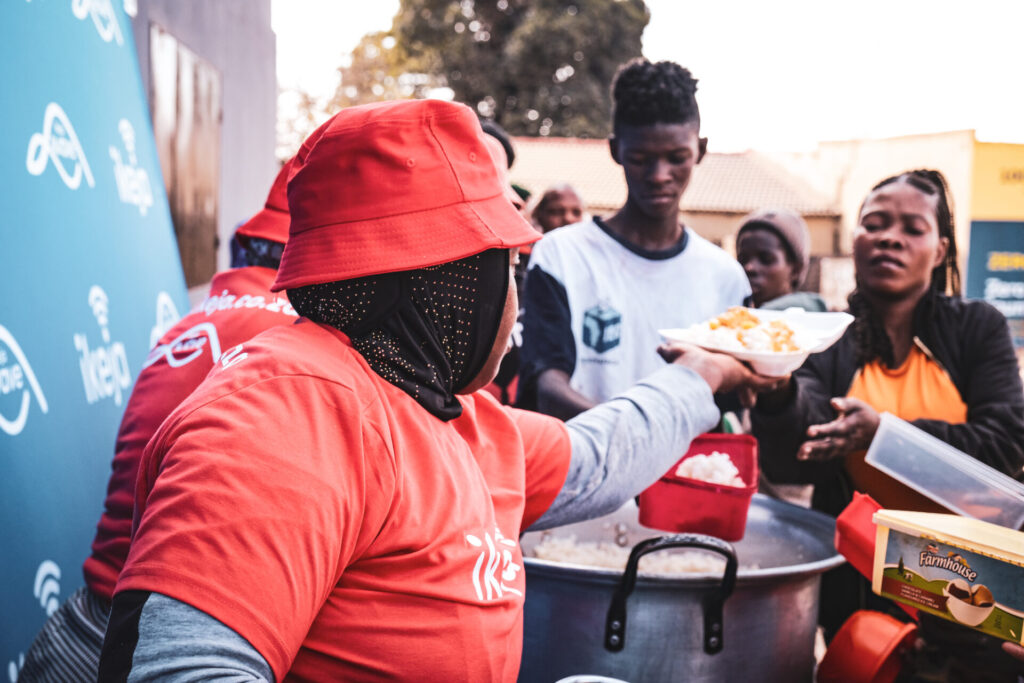
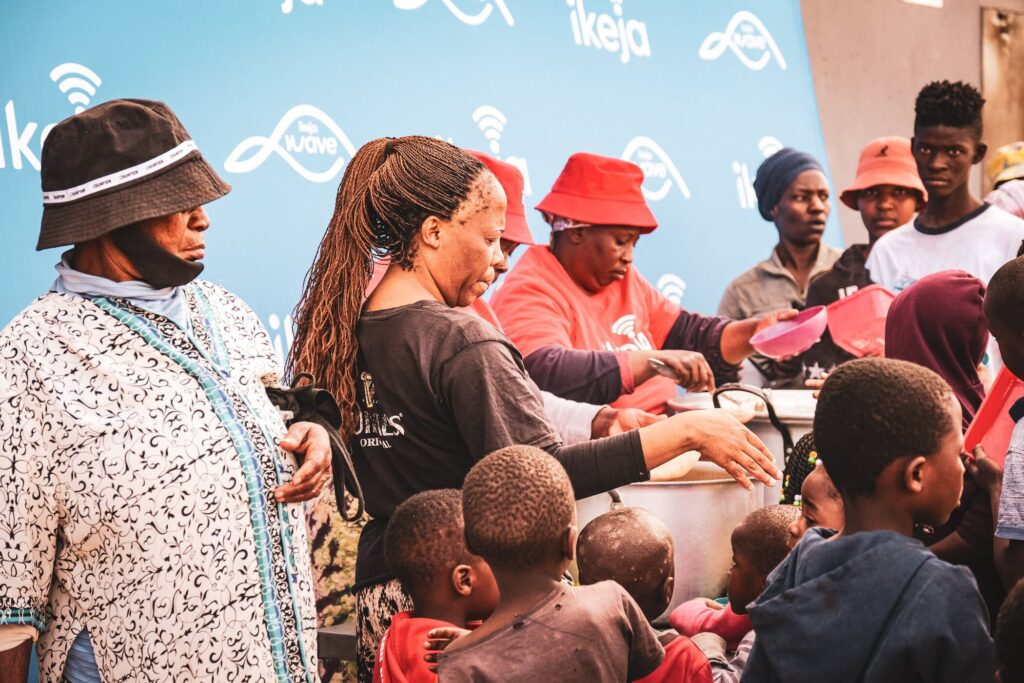
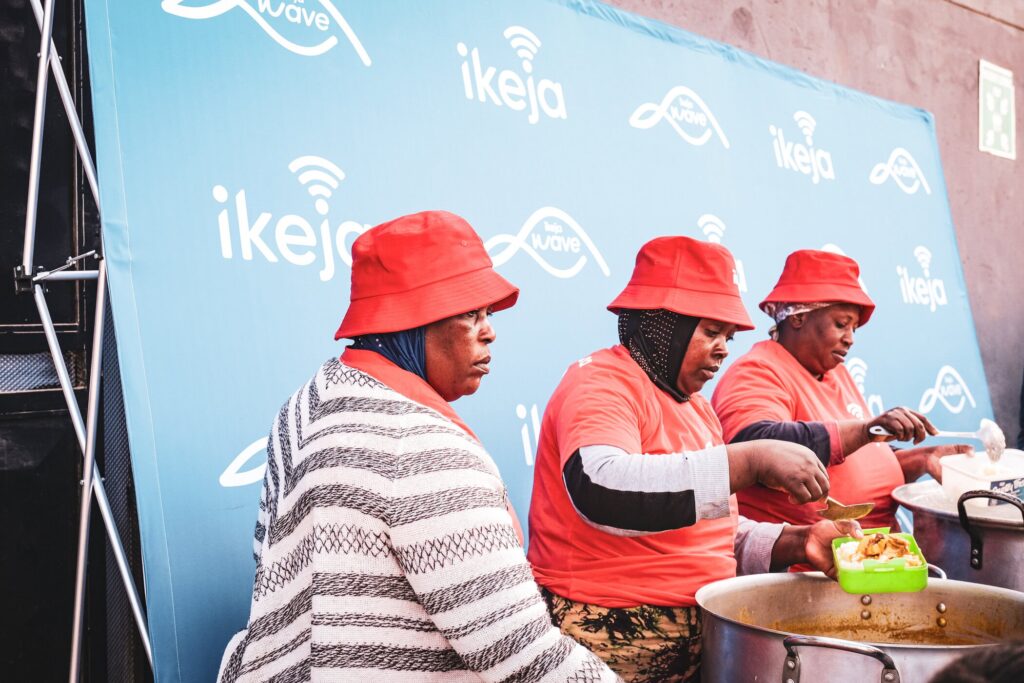
This wasn’t the only act of giving ikeja was a part of. Hundreds of kilometres away, in Johannesburg, the company also partnered with the Al Noor Islamic Centre, where volunteers prepared hot meals for anyone in need.

“Mandela Day is about action – about doing something tangible for others,” said Imam Abdirisak Ahmed, founder of the centre. “We chose a cook-up because sharing a warm meal goes straight to the heart. It’s simple, but it’s human.” He continued: “It is deeply moving. You could feel the connection in the air – people weren’t just eating, they were sharing stories, laughing, connecting. There was a sense of unity and warmth, even among strangers.”
To him, mealtime is about more than a satiated appetite: “Feeding someone is one of the most sincere ways to say, ‘You matter.’ On Mandela Day, it becomes even more meaningful – because it’s a reminder that we all have a role in building a more compassionate world. It’s not about charity, it’s about solidarity.”
And when asked about the mosque’s wider role, he didn’t hesitate: “Faith-based spaces are more than places of worship – they’re sanctuaries of support. Our mosque has always been a place where people can come not just for prayer, but for help, for guidance, for a sense of belonging. Especially in times of need, it becomes a hub of compassion and community service.”
Mandela Day calls us to do something – anything – that makes a difference. But it also reminds us of the people who do that work every day, without needing a special occasion. People like Mpumelelo. People like Imam Abdirisak. People who live out Mandela’s legacy not in speeches, but in service.
For ikeja, partnering with these organisations wasn’t about charity – it was about Ubuntu. “As a company, we don’t just want to connect people to the internet,” said Mandlakazi from ikeja. “We want to connect people. What we saw in Khayelitsha and Johannesburg yesterday is the real meaning of connection.”
Mandela once said: “What counts in life is not the mere fact that we have lived. It is what difference we have made to the lives of others.”
Yesterday, that difference looked like a grandmother in Khayelitsha with a dry loaf of bread and a bag of rice. It looked like a young man in Joburg receiving a warm plate and a smile. It sounded like a song drifting into a cloudy sky, calling forth Noah and his children. In a world so often focused on what divides us, Mandela Day reminds us of what binds us.
Love. Service. Community. Song. Care.




13 thoughts on “”
Comments are closed.